
See who's viewed your shared PDFs
WeTransfer shows you when your PDFs have been opened, so government teams and NGOs can track engagement on reports, proposals, and policy documents without chasing anyone for confirmation.
Keep count of who views your transfer
When you share a PDF through WeTransfer, every transfer automatically shows a preview count, giving you a clear picture of how many times your document has been opened. For government organisations and NGOs handling sensitive materials, you can go further by enabling access control, which logs exactly who previewed your PDF and when. Recipients can open and review documents directly in the browser, no account or software required, making it easy to reach colleagues, partners, or external stakeholders. Password protection adds another layer of security for confidential reports, letting you control who can access the file in the first place. Whether you're distributing policy briefings, grant applications, or internal reviews, WeTransfer gives you the visibility to know your documents are landing.
What makes WeTransfer different
Our features are designed to minimize how much of your data we — or anyone else — can access, so you can keep what's yours, yours.
30M+ Transfers sent every month
4.8 App Store / Play Store average rating
12M+ Monthly active users
43K+ Enterprises using WeTransfer daily
Everything you need
Give people simple tools, and they'll do extraordinary things. Ultra-fast file transfers, built-in customization, easier team collaboration. That's the magic of WeTransfer.
Move your ideas forward
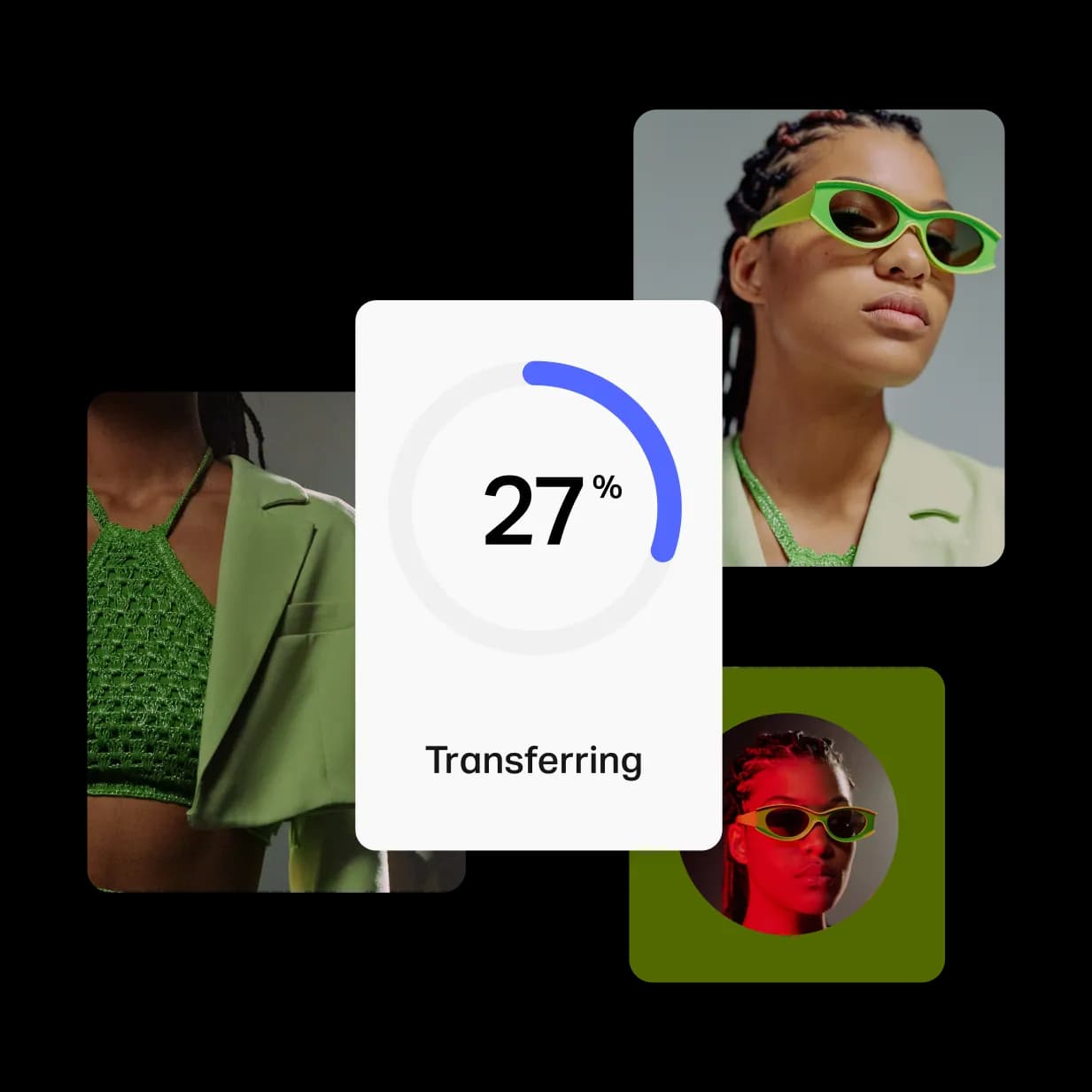
Share content with a unique link, give anyone a free pass to send you 200 GB files, and stay in control of transfers — even after you hit send.
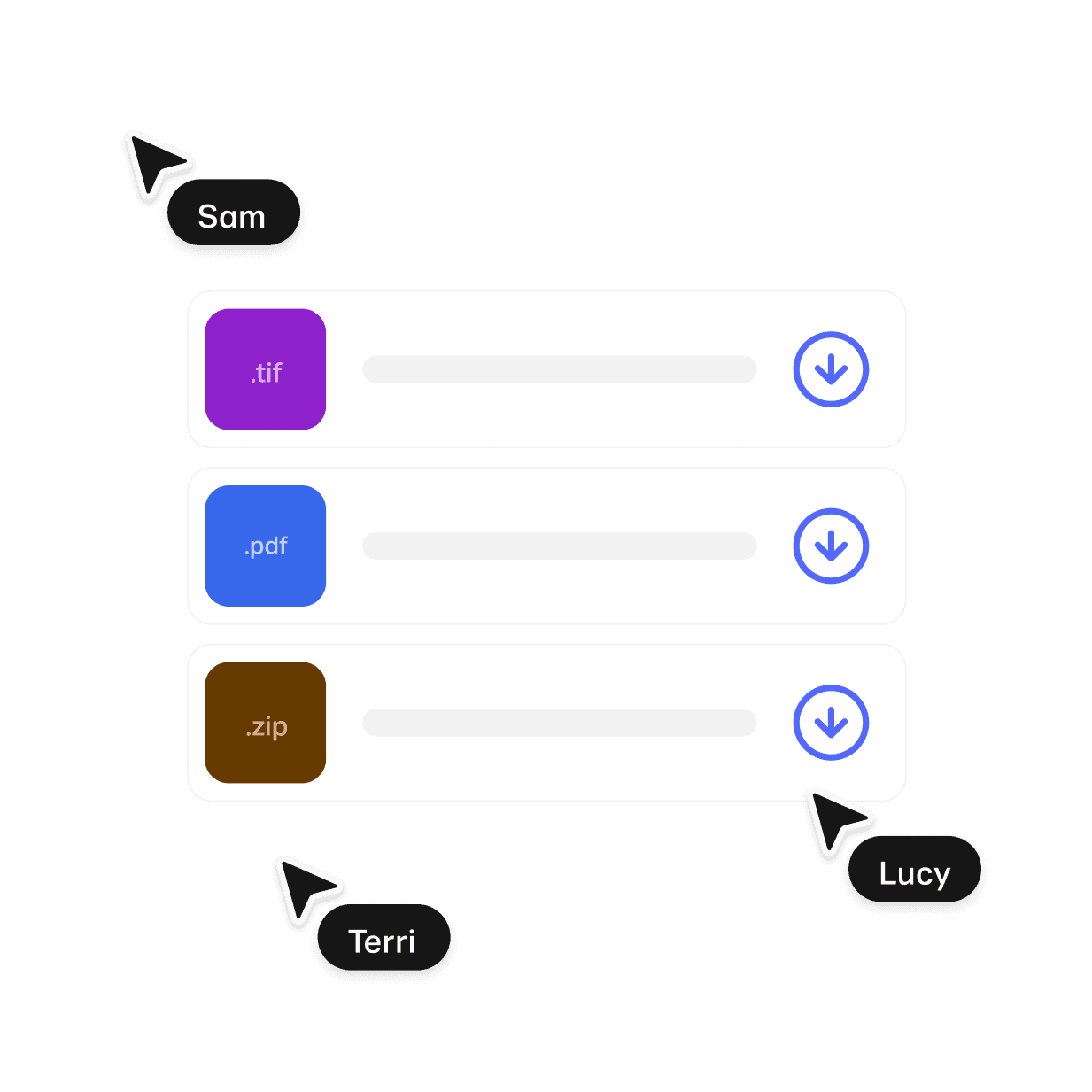
Collaboration tools for teams of all sizes
With tools designed to enhance collaboration, get everyone in your team talking and moving as one, without disrupting their workflow.
Share with confidence and security
From password protection to file encryption, WeTransfer has all the built-in security features you need to safeguard your work.
FAQs
All your questions answered.
Yes. Every transfer includes a preview count that updates automatically whenever someone opens your PDF. To see a per-recipient breakdown of who viewed it and when, enable access control (tracked or restricted mode) before sending. This gives government teams and NGOs a clear audit trail without any manual follow-up.
Basic preview counts are on by default for every transfer, so you'll always see how many times a PDF has been opened. For more detail, like a named log of each viewer, you need to enable access control when you create the transfer. There's no complex configuration, just a toggle before you send.
Yes. Restricted access lets you specify which email addresses can open a transfer. Anyone not on the list is blocked from viewing the file, even if they have the link. This is useful for NGOs and government bodies sharing sensitive documents where access needs to be controlled precisely.
Files are encrypted in transit with TLS and at rest with AES-256, stored in EU data centers, and backed by ISO 27001 certified infrastructure. WeTransfer is GDPR-compliant and based in the EU, with data processing agreements available for business plans. You can also add password protection to individual PDF transfers for an extra layer of access control.
No. Recipients can preview and download a PDF directly in their browser without creating an account or installing anything. For government contacts or NGO partners who receive documents, there's no barrier to access. A WeTransfer account is only required for sending files.